11 October 2026
Understanding Dry Eye Symptoms and the Best Time to Arrange an Eye Doctor Visit
Presented by @comforteyerelief294
Dry eye is one of those conditions that people often put up with for far too long. A person may describe it as “just tired eyes,” or blame the discomfort on screen time, air conditioning, seasonal allergies, or a rough night of sleep. Sometimes that guess is partly right, but dry eye symptoms tend to have a pattern, and once the pattern starts interfering with reading, driving, wearing contact lenses, or simply getting through the workday, it deserves real attention.
I have seen many patients wait until the discomfort becomes constant before they seek help. By that point, the eyes are often not just dry, they are irritated, inflamed, and reacting to every small environmental trigger. The good news is that dry eye is manageable in many cases, and the earlier it is recognized, the easier it usually is to treat. Knowing what to watch for, and when to arrange an eye doctor visit, can save a lot of frustration later.
What dry eye actually feels like
Dry eye is not always as straightforward as the name suggests. Some people feel obvious dryness, as if there is not enough moisture on the eye. Others do not describe dryness at all. They talk about a burning eye, stinging, gritty discomfort, or a strange watery tear overflow that seems contradictory. That last one catches people off guard, but it is very common. The eyes can become irritated enough that they reflexively produce tears, yet those tears are not stable or balanced enough to relieve the underlying problem.
The symptoms vary from mild to disruptive. A person might feel fine in the morning and miserable by late afternoon. Another might notice that reading becomes harder after twenty minutes, or that their eyes burn when they step outside on a windy day. Contact lens wearers often notice the problem first because lenses can amplify discomfort and make the tear film feel less forgiving.
The common dry eye symptoms usually include a sandy or gritty feeling, burning, stinging, redness, temporary blurry vision, light sensitivity, and a sense that something is in the eye when nothing is there. Some people also report mucus at the corners of the eyes, heavy eyelids, or discomfort that gets worse in dry indoor air. If these symptoms sound familiar, the issue may be more than simple fatigue.
Why dry eye happens
The eye’s surface depends on a thin tear film that does more than keep the eye wet. It helps smooth the surface for clear vision, washes away debris, and protects the eye from irritation and infection. When that tear film is unstable, or when the eyes do not produce enough tears, the surface can become irritated very quickly.
There are several reasons this happens. Tear production can decline with age. Hormonal changes matter, especially for many women after menopause. Certain medications, including some antihistamines, antidepressants, acne treatments, and blood pressure medications, can contribute. Environmental conditions matter too. Dry climates, strong fans, heaters, smoke, and long hours in air-conditioned rooms can all worsen symptoms.
One of the most common patterns I see is evaporative dry eye, where the tears are present but disappear too quickly. Meibomian gland dysfunction is a frequent driver of this, because the oily part of the tear film is not doing its job. Without enough oil, tears evaporate faster than they should. A patient may say, “My eyes water all the time, but they still feel dry.” That is not unusual at all.
Screen use also plays a major role. When people focus on phones, tablets, or computers, they blink less often and sometimes not fully. Over a full workday, that reduction in blinking can make the eyes progressively more irritated. It is one reason office workers often notice the symptoms more by afternoon than morning.
The symptoms people miss or dismiss
Many people expect dry eye to look dramatic, but the more frustrating cases are often subtle. Vision may seem slightly off, then clear up after blinking. Makeup may smear more easily because the tears are unstable. Driving at night may feel more tiring than it used to. Eyes may become unusually reactive to wind or fluorescent lighting.
Another symptom that often gets brushed aside is morning irritation. Some people wake up feeling as if the eyes are stuck or coated, then improve after blinking for a few minutes. Others feel fine upon waking and worsen through the day. Those patterns can offer clues about the type of dry eye involved.
A mild case can still matter if it keeps recurring. Repeated irritation is not something the eye should simply “get used to.” The surface tissue can become inflamed, and once inflammation becomes part of the cycle, symptoms often linger longer and become harder to ignore. That is why a burning eye should not be dismissed just because it comes and goes.
When it is reasonable to try home care first
Not every case requires an immediate office visit. If the symptoms are mild, occasional, and tied to a clear trigger like a few long days of computer work, an afternoon in dry wind, or a stretch of poor sleep, basic measures may help. Over-the-counter artificial tears can provide temporary relief, especially preservative-free drops if they are used several times a day. Taking screen breaks, blinking deliberately, using a humidifier, and avoiding direct fan or vent airflow can also make a noticeable difference.
A few people find that warm compresses help, especially if the problem is related to oil glands in the eyelids. That can be useful when the eyes feel dry but also strangely watery or irritated at the lids. For contact lens wearers, reducing wear time for a few days may https://www.opticoreyegroup.com/blog/managing-dry-eyes-during-allergy-season-tips-and-remedies.html calm things down.
Still, home care is best thought of as a test, not a permanent substitute for care. If the symptoms keep returning, if drops only help for a short time, or if you find yourself planning your day around eye discomfort, it is time to arrange a proper evaluation.
Signs that it is time to see an eye doctor
The most practical rule is simple: if dry eye symptoms interfere with normal life, do not wait. Trouble reading, working, driving, or wearing lenses are all valid reasons to schedule a visit. A person does not need to be in severe pain to justify an exam.
An eye doctor visit becomes especially important when symptoms last more than a couple of weeks despite home care, or when the discomfort keeps escalating. Redness that does not settle, light sensitivity, frequent tearing, blurred vision, or a persistent burning eye all deserve attention. So does one eye that feels much worse than the other, because one-sided symptoms can sometimes point to something more than routine dryness.
There are also moments when evaluation should happen sooner. Eye pain is not typical of simple dry eye if it is significant or sharp. Thick discharge, major swelling, or sudden vision changes are not things to watch casually. If the eye feels injured, if there has been trauma, or if the person wears contact lenses and develops worsening redness or pain, prompt care is important.
Patients sometimes ask whether they should wait to see if it improves after a vacation or after the busy season ends. That can be a costly delay. Dry eye often does not simply fade away on its own. Even when the symptoms fluctuate, the underlying issue can keep progressing quietly.
What happens during an evaluation
A good eye exam for dry eye is usually more detailed than people expect. The doctor will ask when the symptoms began, what makes them better or worse, whether contact lenses are involved, what medications are being taken, and whether there are autoimmune conditions, allergies, or eyelid problems in the picture. That conversation matters because the treatment plan depends on the cause, not just the symptom.
The exam itself may include checking the tear film, the eyelid margins, and the quality of the glands that help stabilize tears. The doctor may look for staining on the surface of the eye, which can show areas of irritation. In some cases, the amount of tears produced is measured. None of this is unusual, but it helps separate a simple temporary dryness issue from a more persistent condition.
This is where location and access can matter. People often search for an eye doctor Riverside Plaza when they want care that is convenient to their work, errands, or commute. That practicality counts. When symptoms are already affecting daily routines, the easier it is to get evaluated, the less likely it is that the problem will be ignored for another six months.
Why timing matters more than many people realize
Dry eye is not just about comfort. It can affect visual quality and quality of life in ways that are easy to underestimate. A person may not notice a huge drop in vision, but instead a subtle unreliability. Words on a page seem to blur and then sharpen again. Night driving feels more demanding. The eyes become tired faster than they used to. That kind of inconsistency can be exhausting.
There is also the issue of inflammation. Ongoing irritation can create a feedback loop, where the surface of the eye becomes more sensitive, which leads to more discomfort, which can then make the symptoms feel worse. Waiting too long can mean more treatment is needed later. A case that might have responded to simple changes can become more stubborn.
I have seen patients who assumed they were just “bad at screens” or “sensitive to air conditioning,” when in fact they had treatable dry eye that had been slowly chipping away at their comfort. Once we addressed it, they often described the change in practical terms: fewer drops during the day, less squinting at the computer, better tolerance for driving at night. Those are meaningful improvements.
What dry eye treatment can look like
Treatment depends on what is driving the symptoms, and that is why a proper diagnosis matters. For some people, a structured routine of preservative-free artificial tears, warm compresses, and better lid hygiene is enough. Others need more specific treatment aimed at eyelid inflammation, gland dysfunction, allergies, or tear film instability.
If screen use is a major trigger, treatment may include behavioral changes along with medical care. Small adjustments can help more than people expect. Lowering the top edge of a monitor so the eyes are not open as wide, taking brief blinking breaks, and reducing direct airflow from vents can all make a difference. Sometimes it is the accumulation of these small changes that gives the most relief.
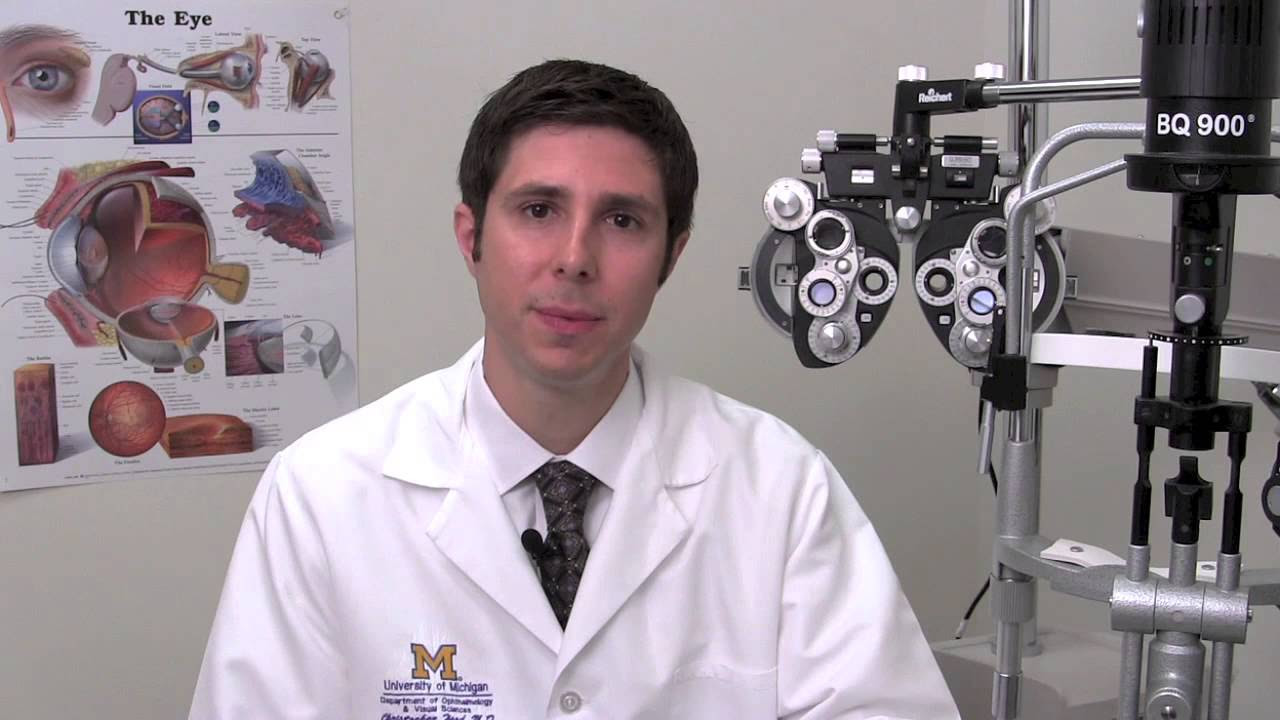
For people searching for dry eye treatment Riverside, the most useful approach is usually one that begins with identifying the pattern behind the symptoms. There is no single fix that works for every case. One person may need help with tear volume, another with oil gland function, another with eyelid inflammation, and another with allergy overlap. The right plan often combines several strategies rather than relying on one product.
A few details that often change the conversation
Two patients can describe “dry eyes” and mean very different things. One may have symptoms only at the end of a long workday and improve quickly with a few drops. Another may have chronic irritation, morning crusting, and blurred vision that clears after blinking. Those are not the same problem, and they should not be treated as if they are.
Contact lens wear is another factor that changes the picture. Some people blame the lenses when the real issue is unstable tears or meibomian gland dysfunction. Others truly cannot tolerate lenses because the ocular surface has become too irritated. That does not automatically mean permanent lens intolerance. It often means the underlying dryness needs treatment first.
Seasonal changes can mislead people too. Symptoms may flare in the summer from air conditioning or in the winter from heating systems and lower humidity. A person might think the condition is just environmental because it fluctuates with the weather. Often the weather is only exposing a problem that is already there.
When to schedule sooner rather than later
If the eyes burn most days of the week, if over-the-counter drops are becoming part of the daily routine, or if the symptoms are affecting work and driving, it is reasonable to make an appointment soon. Do not wait until the eyes are miserable every hour of the day. Early care tends to be simpler care.
If you are already modifying your life around eye discomfort, that is often the clearest sign. People will say they avoid fans, stop wearing makeup, skip contact lenses, or take frequent breaks from reading because their eyes cannot tolerate the usual routine. That is not a minor nuisance. It is a sign that the eyes need attention.
And if you notice that the symptoms are paired with significant redness, pain, sensitivity to light, or a change in vision, schedule promptly. Those symptoms deserve more than an assumption that it is “just dryness.”
A practical way to think about it
A useful way to judge the timing is to ask one question: is this a short-lived annoyance, or has it become part of your daily life? If it is recurring, worsening, or making ordinary tasks harder, that is usually the moment to arrange an eye doctor visit. The earlier the issue is evaluated, the more options are typically available.
People often wait because they do not want to overreact. That caution makes sense in many areas of life, but dry eye is not a situation where waiting always helps. The eyes are resilient, but they are also sensitive to repeated irritation. Once the surface starts to become inflamed, symptoms can get harder to predict.
A thoughtful exam can sort out whether the problem is simple dryness, evaporative dry eye, allergy overlap, medication-related symptoms, or something else entirely. From there, treatment can be matched to the real cause instead of just chasing the discomfort. For patients dealing with a persistent burning eye, that difference can be enormous.
Dry eye symptoms are common, but they are not something you have to accept as normal. If the discomfort is becoming routine, if drops are no longer enough, or if your eyes are making everyday tasks harder than they should be, it is time to get them checked. The right evaluation can turn a vague, lingering annoyance into a manageable condition with a clear plan.
Phone:
(951) 346-9857
Website:
opticoreyegroup.com/riverside-plaza.html
Opticore Optometry Group, PC - RIVERSIDE PLAZA, CA
3639 Riverside Plaza Dr, Ste 518,
Riverside,
CA
92506